What to Wear and Bring — Sydney Whale Watching
What to wear whale watching in Sydney, month by month, how to avoid seasickness, what is on the boat already, and the age limits on each cruise. Listings checked October 2026.
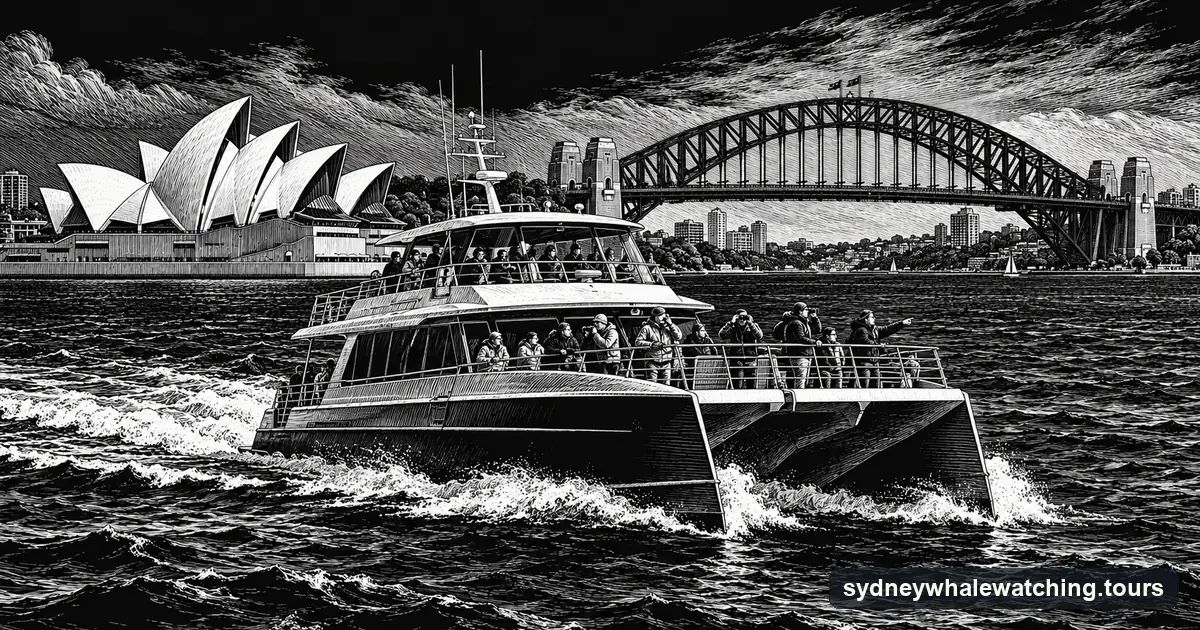
The short answer: dress for the open ocean, not the city. Wear layers under a windproof jacket, closed shoes with grip and a hat that will not blow away, and bring sunglasses and sunscreen. If you are prone to seasickness, take a tablet before you board. Arrive 30 minutes early for the featured cruise: after that your seat can be resold.
Quick answers
What should I wear whale watching in Sydney?
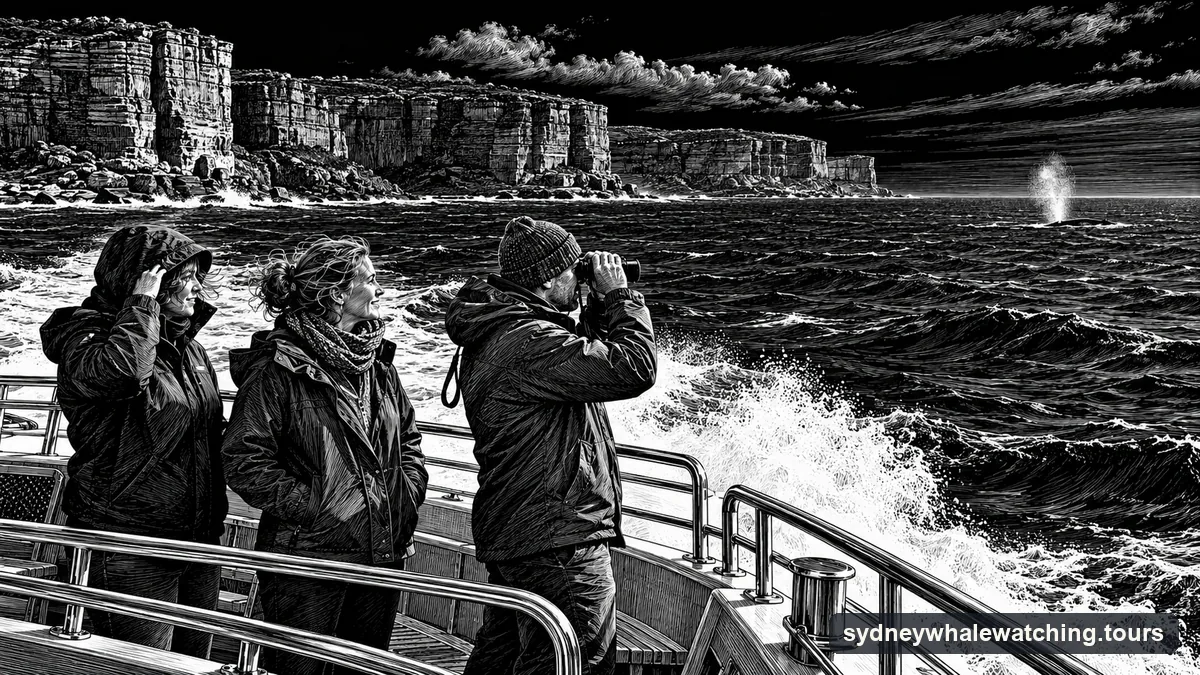
Warm layers and a windproof outer layer, whatever the weather in the city. Captain Cook Cruises puts it plainly: it can feel colder at sea. Long trousers, closed shoes with grip, a beanie or a cap with a strap, and sunglasses for the glare off the water.
Is there a dress code?
No. Dress for comfort and wind: the decks can be wet, so leave sandals and anything you would hate to splash at home.
Does whale watching make you seasick?
It can. Beyond Sydney Heads is open ocean, and the featured cruise warns that you will feel the waves and recommends a travel sickness tablet before you board. An October 2026 reviewer wrote that many people on board were seasick on a rough day; they had bought tablets on the staff’s advice and were fine.
Is there an age limit?
It depends on the boat. Captain Cook Cruises does not recommend its cruise for infants up to 3 and sells child fares for ages 4 to 15. The featured catamaran lists no age limit.
The 60-second packing list
| Bring | Why |
|---|---|
| Windproof jacket | The wind on deck is the biggest comfort factor |
| A warm layer underneath (jumper or fleece) | Add or remove as needed |
| Closed shoes with grip | Decks can be wet |
| Sunglasses | Glare off the water |
| Hat that won’t blow off (cap with a strap or beanie) | Wide brims fly off |
| Sunscreen | Australian UV is strong, even in winter |
| Water bottle | The featured cruise serves free hot drinks, so water is the one to bring |
| Phone or camera on a strap | Dropped phones do not come back |
| Travel sickness tablets, if you need them | See below |
What you can leave at home: big bags, anything you would be upset to get wet.
How to dress through the season
The Bureau of Meteorology’s long-term mean daily highs for Sydney are about 17°C in June, 16°C in July, 20°C in September and 22°C in October. On the open deck, in the wind, it feels colder than that.
June and July (northbound peak, the coldest months)
- Thermal or long-sleeve base layer
- Fleece or wool jumper
- Windproof, ideally water-resistant jacket
- Long trousers, not shorts
- Closed shoes and warm socks
- Beanie and a scarf or neck buff
September and October (southbound, warming)
- Long-sleeve top
- Light fleece or hoodie
- Windproof jacket: you may take it off, but bring it
- Long trousers
- Closed shoes
- Cap with a strap
May or November (the ends of the season)
Dress as for June and July in May, and as for September and October in November. An extra layer is cheap insurance.
Seasickness: the honest version
Some swell is normal beyond the Heads, and even a catamaran moves. Captain Cook Cruises suggests eating lightly before and during the cruise and notes that travel sickness tablets work best taken before departure.
If you are prone to motion sickness, take a tablet before you board. Australian pharmacies sell travel sickness tablets such as Travacalm Original (dimenhydrinate, hyoscine hydrobromide and caffeine), which its maker says to take 30 minutes before departure, and Kwells (hyoscine hydrobromide). Both can make you drowsy; ask the pharmacist which suits you, and follow the label.
Other things that help:
- Stay on the open deck, in the fresh air.
- Watch the horizon, not your phone.
- Eat something light beforehand; an empty stomach or a big meal both make it worse.
- Go easy on alcohol before and during the cruise.
- Ginger helps some people.
- Pick the boat and the slot: a catamaran over a fast boat, and on a windy day the calmer departure, often the morning.
The catamaran vs zodiac comparison sets out how the boats differ.
What’s on the boat (so you don’t need to bring it)
On the featured catamaran cruise, you get:
- Toilets on board
- A licensed bar, with complimentary coffee, tea and hot chocolate
- Live commentary from the guides
- Spacious decks and comfortable seating
Captain Cook Cruises adds an indoor all-weather lounge as well as outdoor viewing areas.
Bringing kids
- Check the boat first. Age and height limits differ (see the quick answers above).
- Toddlers may struggle with nearly three hours if the whales are slow to appear. Bring snacks and something to do.
- Everyone needs a warm layer they will actually wear: the bow is the windiest place on the boat.
- Child fares are listed on Captain Cook Cruises (ages 4 to 15, one adult for every four children); on the other cruises, the booking page shows the ticket types.
Cameras and binoculars
A phone is enough for most people: the boats can come within 100 metres of a whale (300 metres if a calf is present), so a breach fills a good part of the frame.
If you bring a camera:
- A 70-200mm lens covers most of what you will see; longer lenses are hard to hold steady on a moving boat.
- Bring a lens cloth: spray fogs lenses fast.
- Use a strap.
Binoculars matter more on a headland walk, where the whales are a few kilometres out, than on the boat.
One last thing: get there early
Your booking confirmation gives the departure wharf. The featured cruise asks you to arrive 30 minutes before departure: after that the seats can be resold, and late passengers are not refunded. On Captain Cook Cruises, phone the reconfirmation line from 7am on the morning of your cruise. For when to go, see the best time for Sydney whale watching.
Ready to book?
Dress warmer than you think, pack a windproof jacket, take a tablet if you are prone to seasickness, and arrive 30 minutes early.
Check availability for the scenic whale-watching cruise →
Rated 4.2 out of 5 from 2,555 verified reviews. From US$66 (checked November 2026), a catamaran cruise of 2 hours 45 minutes out of Sydney Harbour, a return trip if no whale is spotted, free cancellation up to 24 hours before.
Check dates and book
Book Your Experience
Check Availability & Prices
Select your preferred date and time. Cancel up to 24 hours in advance for a full refund.
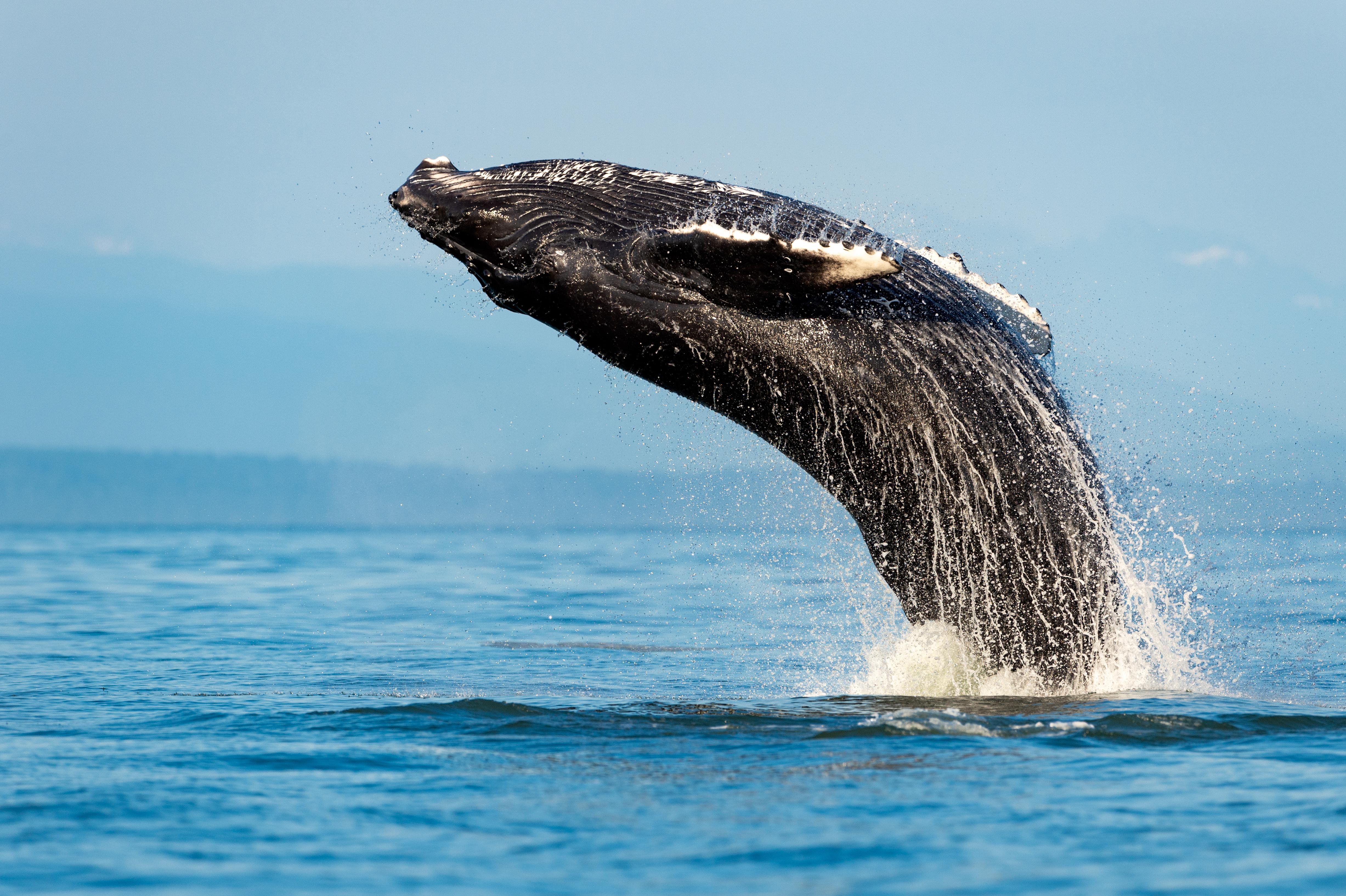
Watch Humpbacks Breach Off Sydney Heads
Rated 4.2/5 from more than 2,500 reviews. A free return cruise if no whale is spotted, nearly three hours on a spacious catamaran, live commentary, a licensed bar and complimentary coffee, tea and hot chocolate. Free cancellation up to 24h.
Check Availability & Book